Choosing a housing society is one of the biggest lifestyle decisions a family makes, and in the fast-growing Rawalpindi–Islamabad region of 2026 the options can feel overwhelming. The right community shapes your daily commute, your children’s schooling, your sense of security, and even how your property value grows over the years. The wrong one can leave you stuck with poor amenities, weak resale demand, or endless development delays.
This guide helps you cut through the marketing and evaluate a society on what truly matters. We also tackle the question so many buyers wrestle with: should you buy an empty plot and build later, or purchase a ready-made villa now? By the end, you will have a practical framework for matching a community and a property type to your real needs.
What Makes a Housing Society Worth Living In?
A good society is more than a collection of plots. It is a planned environment where infrastructure, security, and community life come together. The best developments think about how residents actually live, not just how many files they can sell.
When you evaluate a scheme, look past the glossy gate and study the fundamentals: legal approval, quality of roads and utilities, green spaces, and the pace of real construction on the ground. Developments that offer ready-built options like 5 Marla Villas signal a society moving beyond raw land into a genuine, livable neighbourhood.
Key Factors to Compare Before You Commit
Rank your priorities honestly, then measure each society against them. No single community excels at everything, so the goal is the best overall fit for your family.
- Legal status: Confirm approval before anything else.
- Location and access: Distance to work, schools, and main roads.
- Amenities: Parks, mosques, hospitals, and commercial areas.
- Security: Gated entry, boundary walls, and surveillance.
- Development pace: How much is actually built versus promised.
- Community: The mix of residents and long-term neighbourhood feel.
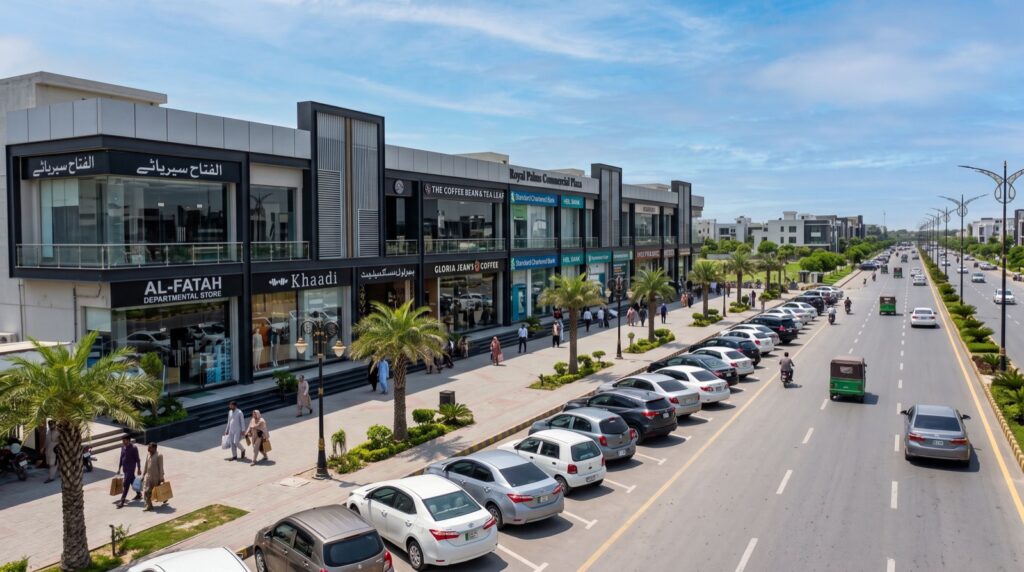
A society with active commercial zones tends to hold value better, since shops and offices bring daily footfall and convenience. Well-planned 6 Marla Commercial Plot options within a scheme often indicate thoughtful master-planning that benefits residents and investors alike.
Plot or Built House: Which Should You Choose?
This is the decision that divides buyers. Both paths lead to home ownership, but they suit very different budgets, timelines, and temperaments.
An empty plot lets you control cost and design, building at your own pace when funds allow. A ready-built house or villa offers instant possession and predictable expense, but less flexibility. The right answer depends on whether you value control or convenience more.
| Factor | Empty Plot | Built House / Villa |
|---|---|---|
| Upfront cost | Lower | Higher |
| Time to move in | Long (build first) | Immediate |
| Design control | Full | Limited |
| Maintenance while holding | None | Ongoing |
| Best for | Patient builders, investors | End-users needing a home now |
Many families split the difference: they buy a plot early to lock in a low price, then build once savings and life circumstances line up. Others simply want the keys today and choose a completed villa.
How Do You Verify a Society’s Credibility?
Trust is earned through documents and ground reality, not brochures. A disciplined verification routine keeps you safe from schemes that overpromise and underdeliver.
- Confirm the development authority’s approval and No Objection Certificate.
- Visit the site and observe genuine construction and utility work.
- Talk to existing residents about security, services, and reliability.
- Check the developer’s track record on past projects.
- Review the payment plan and possession timeline in writing.
You can also consult broader planning research, such as guidance from the United Nations on sustainable urban living, to understand what features make a community resilient and pleasant over decades, not just at launch.
Matching a Community to Your Lifestyle
The best society for an investor is not always the best for a young family, and a retiree wants something different again. Define your stage of life before you shortlist.
Families with children prioritise schools, parks, and safety. Professionals value quick access to commercial hubs and main roads. Investors focus on approval, appreciation potential, and liquidity. Once you know your profile, ask a reliable local experts team to help you compare shortlisted communities on the factors that matter most to you.
The Hidden Costs of Choosing the Wrong Society
The cheapest society is seldom the smartest choice, because poor planning carries costs that surface only after you move in. Understanding these hidden expenses helps you judge value rather than just price.
An under-developed scheme may leave you paying for private water tankers, backup generators, or long commutes because roads and utilities never materialised on schedule. Weak security can mean higher insurance and constant worry. Thin resale demand traps your capital, forcing you to accept a low price when life demands that you sell. Each of these drains money and peace of mind, quietly erasing whatever you saved at purchase.
A slightly higher entry price into a genuinely developed, approved community usually pays for itself. Reliable utilities, working security, and steady resale demand protect both your daily comfort and your long-term equity. When you weigh options, count these downstream costs, not just the headline plot price, so your decision reflects the true cost of living there for years.
Frequently Asked Questions
How do I choose the right housing society?
Start with legal approval, then rank location, amenities, security, and development pace against your family’s needs. Visit the site, talk to residents, and check the developer’s track record. The best society is the one that fits your lifestyle and holds long-term value.
Is it better to buy a plot or a ready-built house?
A plot costs less upfront and gives full design control, but you must build before moving in. A built villa offers instant possession at a higher price with less flexibility. Choose based on your budget, timeline, and whether you want control or convenience.
What amenities add the most value to a society?
Reliable utilities, gated security, parks, schools, hospitals, and active commercial zones add the most value. These features improve daily life and boost resale demand, since buyers pay a premium for convenience, safety, and a genuinely developed neighbourhood.
How can I tell if a society is genuinely developing?
Visit in person and look for real construction, laid roads, working utilities, and occupied homes rather than empty fields. Talk to current residents and compare promised timelines with actual progress. Ground reality reveals far more than any brochure or sales pitch.
Conclusion: Choose the Community, Not Just the Plot
Choosing a housing society well means weighing legal approval, location, amenities, and development pace, then matching that community and the right property type to your family’s stage of life. Whether you lean toward an empty plot you build on or a ready villa you move into today, verification and lifestyle fit should guide every step.
Ready to find your ideal community in 2026? Compare approved, well-planned societies, tour the sites, and choose a home that grows in value while it enriches your daily life. Your future neighbourhood is waiting; make the decision with confidence.