Solar Panels for Business in Pakistan: 2026 ROI
Soaring commercial tariffs and unpredictable outages are quietly eating into margins across every sector, which is why solar panels for business in Pakistan have become a boardroom conversation rather than a facilities afterthought. This 2026 guide lays out the real return on investment, the sizing decisions, and the financing routes that help factories, offices, and retailers turn their rooftops into profit centres.
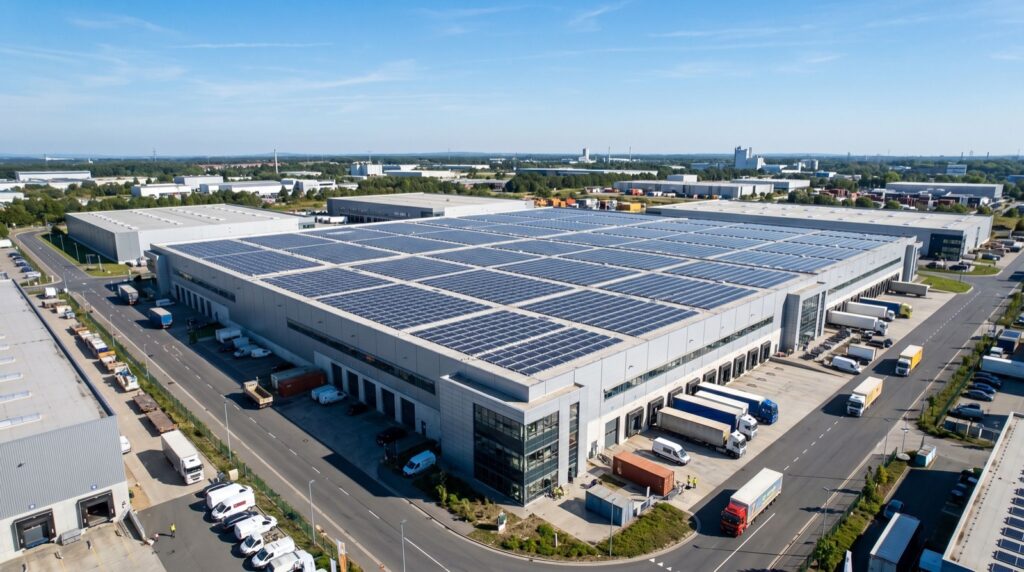
For a business, electricity is often one of the top three operating costs. Unlike a home, a commercial site runs heavy loads through the sunniest hours of the day, which is exactly when a solar array produces most. That alignment is what makes the payback so compelling.
Why do solar panels for business in Pakistan pay off fast?
Commercial consumers pay higher per-unit rates and peak-hour surcharges that households never see. Offsetting those expensive daytime units with free solar generation delivers savings that compound quickly.
Add net metering, and any surplus produced over a slow weekend or holiday is credited back. The combination frequently drives a commercial payback shorter than most equipment leases a business already carries.
- Daytime load match: production peaks exactly when offices and plants consume most.
- Higher tariff offset: commercial rates make each solar unit more valuable.
- Outage resilience: hybrid systems keep critical operations running during cuts.
- Brand value: visible sustainability supports ESG and client expectations.
How large a system does your business need?
Commercial sizing starts with your load profile, not just your roof area. A proper audit maps when and how much power you draw so the array matches demand without costly oversizing.
- Pull 12 months of bills: identify peak demand and seasonal swings.
- Map daytime usage: machinery, HVAC, and lighting during sun hours drive the design.
- Assess roof or ground space: confirm structural capacity and shading.
- Decide on backup: determine which circuits must survive an outage.
- Plan for expansion: leave capacity if operations are growing.
When you reach the procurement stage and look to buy solar panels in Pakistan for a commercial site, insist on high-efficiency modules that maximise output from every square metre of available roof.
Commercial solar ROI table for 2026
The figures below illustrate indicative 2026 ranges for grid-tied commercial systems. Actual returns depend on your tariff, consumption pattern, and net-metering credits.
| System size | Typical business | Installed cost (PKR) | Est. payback |
|---|---|---|---|
| 25 kW | Small office / showroom | 4.0M – 5.5M | 3.5 – 5 years |
| 50 kW | Mid-size factory unit | 7.5M – 10M | 3 – 4.5 years |
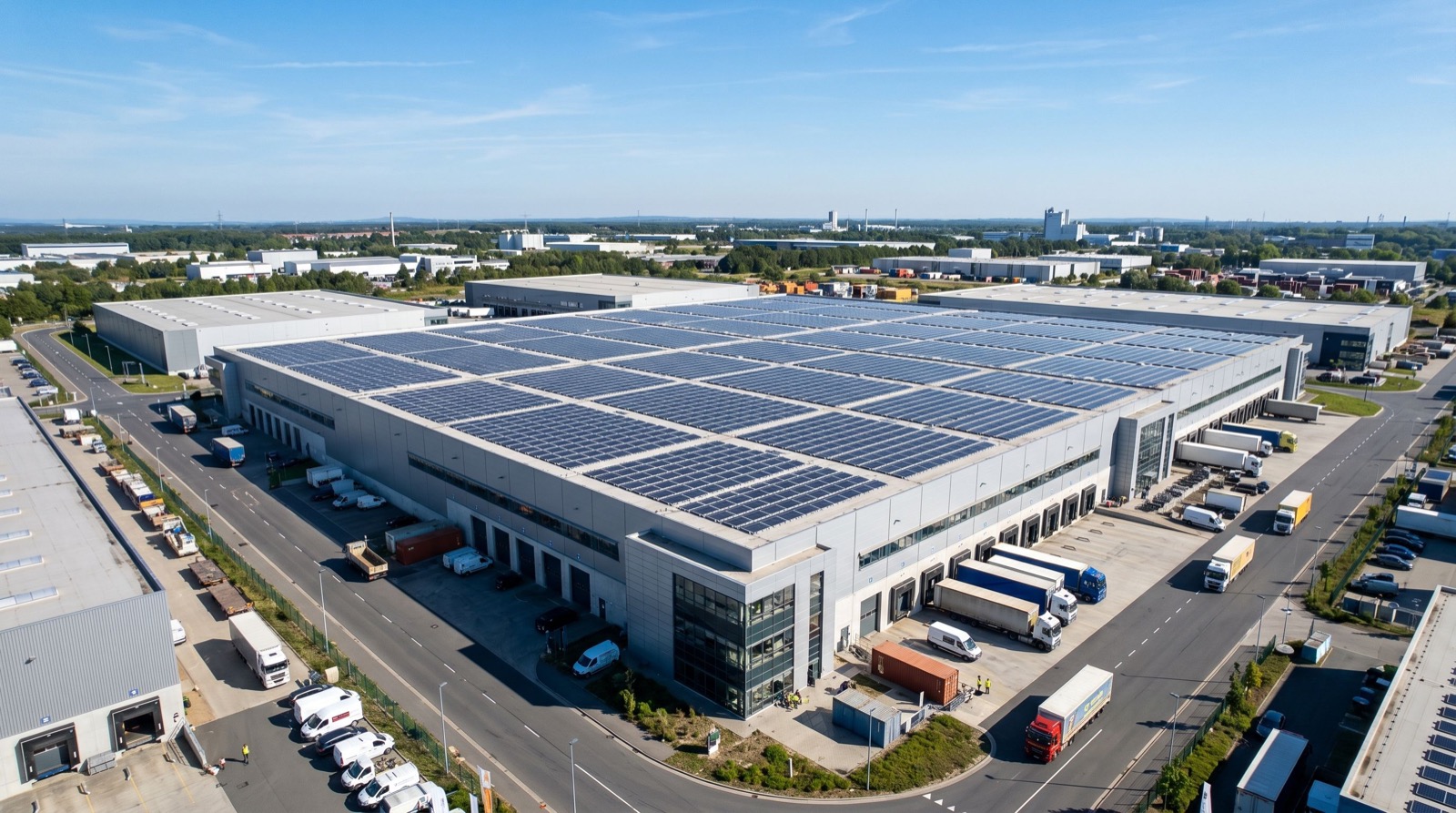
| 100 kW | Large plant / warehouse | 14M – 19M | 3 – 4 years |
| 250 kW | Industrial campus | 33M – 45M | 2.5 – 4 years |
Larger systems generally enjoy lower per-watt costs and faster payback thanks to economies of scale. Once the system is paid off, the generated power is effectively free for the remaining lifespan.
The role of inverters in commercial systems
Commercial arrays depend on robust inverters to convert and manage large power flows reliably. Choosing well-rated solar inverters in Pakistan built for continuous industrial duty prevents downtime that would erode your savings.
For sites that cannot tolerate interruptions, hybrid or multi-inverter configurations provide redundancy and backup. Remote monitoring lets your facilities team spot and resolve faults before they affect production.
Financing and incentives for businesses
Many Pakistani banks now offer dedicated green-energy financing with concessional rates, and the State Bank has promoted renewable lending schemes to accelerate adoption. Combined with net metering, these tools can let a business install solar with minimal upfront capital.
According to the International Renewable Energy Agency, the global levelised cost of solar power has fallen dramatically over the past decade, strengthening the case for commercial adoption. Pairing low-cost financing with falling hardware prices makes 2026 an especially strong year to commit.
Choosing the right commercial installer
- Verify a portfolio of commercial, not just residential, projects.
- Confirm the firm handles structural engineering for large rooftops.
- Check they manage net-metering paperwork at commercial scale.
- Ask about monitoring, maintenance contracts, and response times.
- Request client references from businesses in your sector.
A smooth commercial rollout depends on dependable specialists who understand industrial loads, safety compliance, and the stakes of production downtime.
Beyond savings: resilience and sustainability
The financial case for commercial solar is the headline, but forward-looking businesses value the softer returns just as highly. Energy resilience and sustainability credentials increasingly shape competitiveness in 2026.
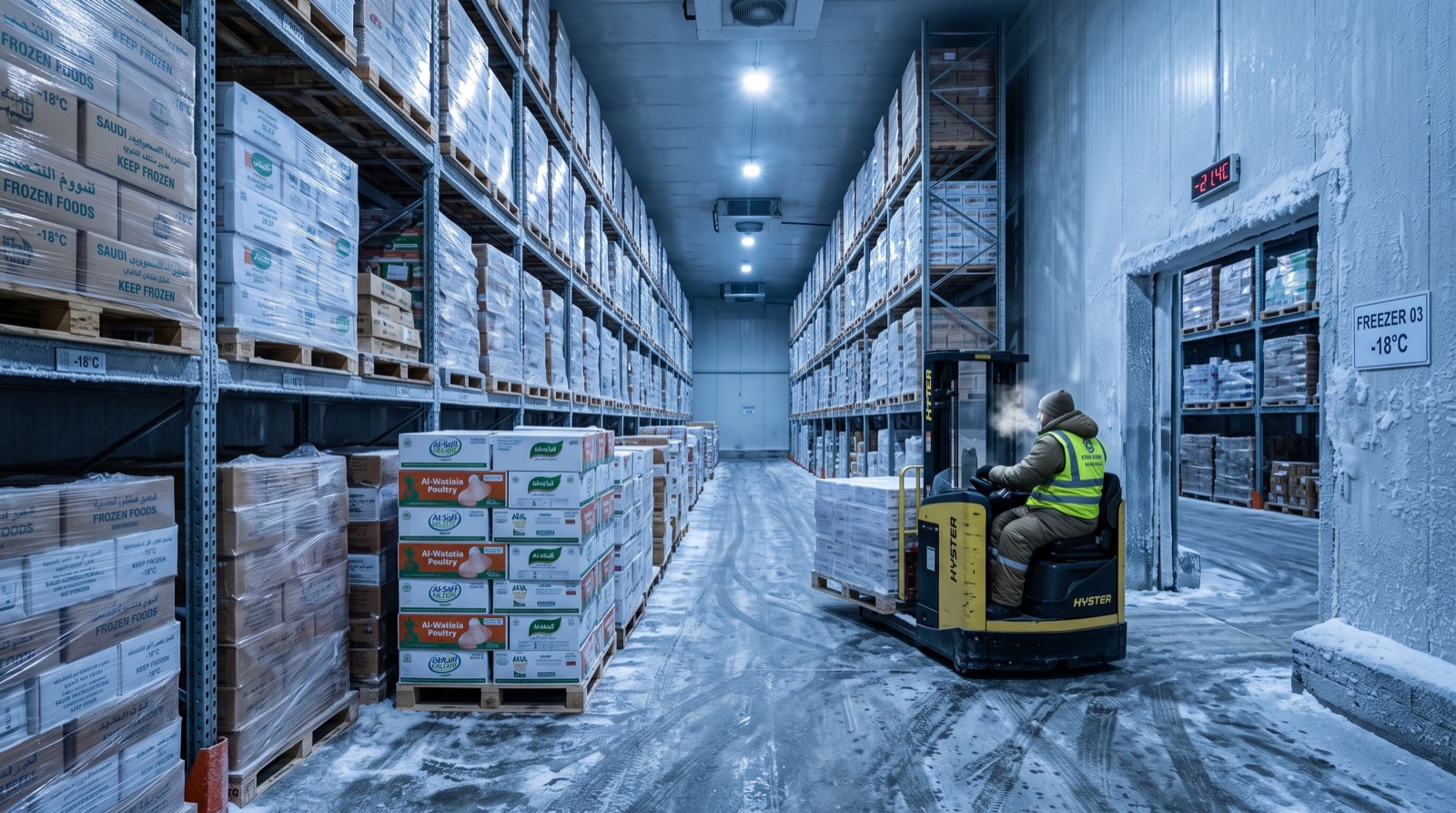
Unreliable grid supply directly threatens output, spoilage, and customer service. A hybrid solar system with storage keeps production lines, cold chains, and data systems running through outages, protecting revenue that a single bad afternoon of load-shedding could wipe out.
Sustainability is no longer optional for many exporters either. International buyers and supply-chain partners increasingly demand evidence of clean energy use. A visible solar installation supports tender bids, ESG reporting, and the brand positioning that wins environmentally conscious clients.
- Operational continuity: critical loads stay powered during grid failures.
- Cost predictability: locking in generation shields budgets from tariff hikes.
- Export compliance: clean-energy proof strengthens international contracts.
- Employee and client perception: visible sustainability builds reputation.
Taken together, these benefits mean the true return on a commercial system extends well beyond the numbers on the electricity bill, reinforcing why so many Pakistani firms are moving now rather than waiting.
Frequently Asked Questions
How quickly can a business recover its solar investment?
Most commercial systems in Pakistan pay back in roughly three to five years thanks to high daytime usage and net metering. After that, the energy produced is essentially free for the remaining 20-plus year lifespan.
Will solar keep my business running during load-shedding?
A standard grid-tied system shuts off during outages, but a hybrid design with batteries keeps critical circuits alive. Many businesses prioritise backup for servers, security, and essential machinery.
Can we finance a commercial solar system?
Yes. Several banks offer green-energy loans with favourable terms, and the monthly savings often exceed the instalment. This lets many businesses adopt solar with little or no upfront capital outlay.
Does rooftop solar affect our building’s structure?
A professional installer conducts a structural assessment first. Modern mounting systems distribute weight safely across the roof, and reputable firms will not proceed without confirming your structure can carry the load.
Final thoughts
For Pakistani businesses facing relentless energy costs, rooftop solar is no longer a gamble but a measurable financial strategy with a payback that rivals the best capital projects. Audit your load, size the system correctly, secure favourable financing, and choose an installer with genuine commercial experience. Investing in solar panels for business in Pakistan in 2026 converts a rising expense into a predictable, long-term competitive advantage.